

Chronic pain treatment
Chronic pain is real.
So is the brain's part in it.
Evidence-based help for chronic pain in South Africa, including TMS for neuropathic pain and fibromyalgia when other treatment has not been enough.
Chronic pain treatment at a glance
- Why does pain become chronic?
- Chronic pain is shaped not only by signals from the body, but by how the brain and nervous system process and regulate those signals.
- How is it treated?
- Usually with a combination of physiotherapy and graded activity, medication, and psychological support.
- Can TMS help chronic pain?
- TMS has been studied particularly for neuropathic pain and fibromyalgia, and can reduce pain intensity for some people. It is not yet a standard treatment for all forms of chronic pain.
- What does TMS involve?
- No medication, injections or anaesthesia. You stay awake throughout and can drive yourself home afterwards.
- Do I need a referral?
- No. A Rewire psychiatrist will meet with you first to understand your situation, at our clinics in Cape Town and Gauteng.
Understanding it
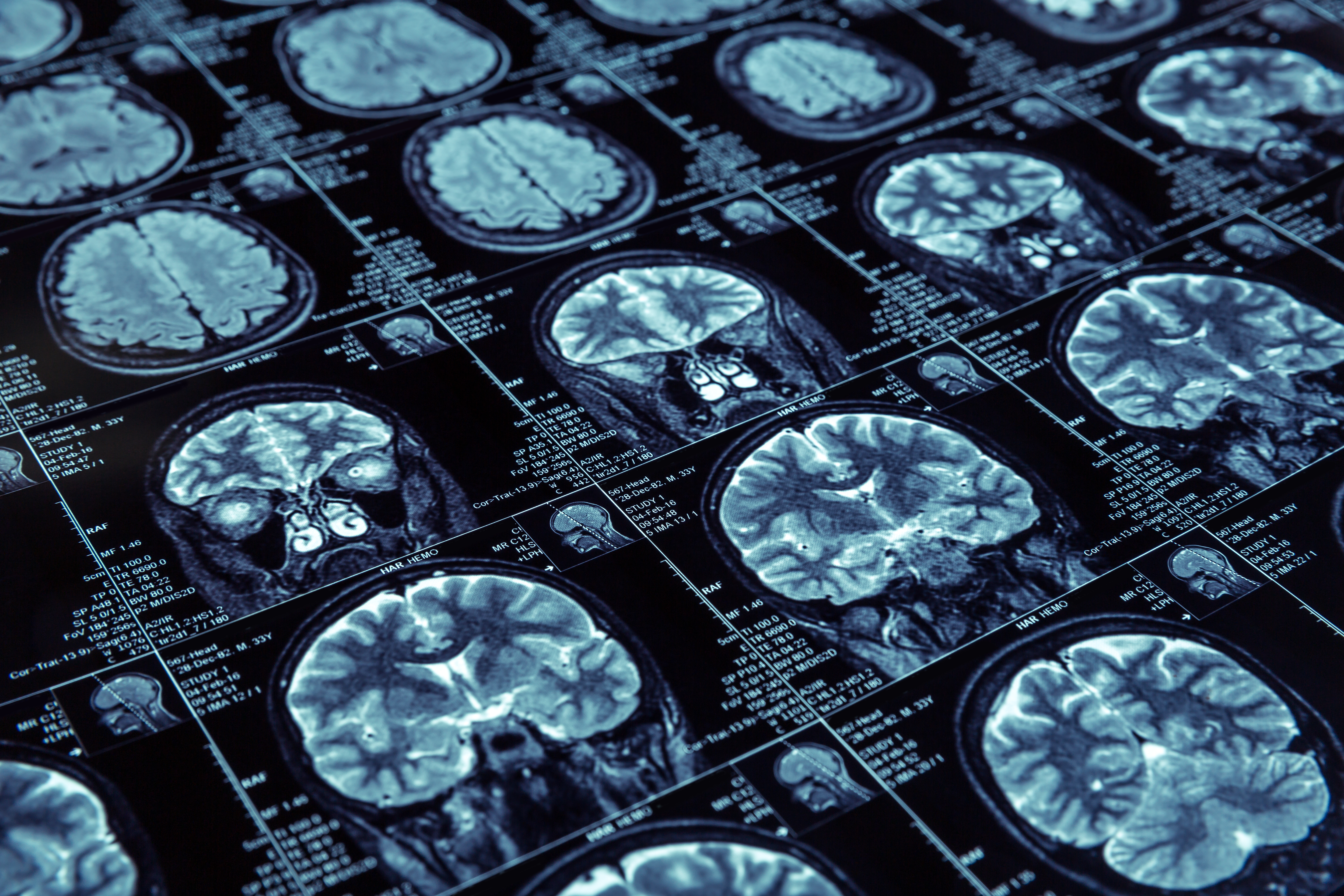
Pain is processed in the brain
Chronic pain is influenced not only by signals from the body, but also by the way the brain and nervous system process and regulate those signals.
When pain lasts for months or years, the nervous system can change. Pain pathways can become more sensitive, and the brain's own systems for turning pain down can work less well. The result is pain that is very real, even when scans and tests cannot fully explain it.
This matters because it opens another door to treatment. As well as treating the body, it is possible to work on the brain networks involved in pain processing and pain regulation. Living with constant pain also takes a heavy toll on sleep, mood and energy, and those deserve care too.
The options
How chronic pain is treated
Chronic pain is rarely solved by one thing. Good care usually brings several approaches together.
01
Movement and rehabilitation
Physiotherapy and gradually building up activity help the body and nervous system regain confidence, even when moving feels like the last thing you want to do.
02
Medication
Several kinds of medication are used for chronic pain, and the right choice depends on the type of pain. For some people they help a great deal; for others the relief is partial or the side effects are hard to live with.
03
Psychological support
Therapy does not mean the pain is in your head. It helps you manage how pain affects sleep, mood and daily life, and can ease the stress that tends to turn pain up.
04
Neuromodulation
TMS works on the brain networks involved in pain processing and regulation, and may be considered when conventional treatment has not given enough relief.
See where TMS fitsChanging how the brain processes pain
Where TMS fits in
TMS is a non-invasive neuromodulation treatment that has been studied for several chronic pain conditions, particularly neuropathic pain and fibromyalgia. Magnetic pulses are used to influence activity in the brain networks involved in pain processing and pain regulation. For some people, this can reduce the intensity of their pain.
TMS does not require medication, injections or anaesthesia. You stay awake throughout, there is no hospital stay, and you can drive yourself home afterwards.
It may be considered when conventional treatments have provided insufficient relief or have not been well tolerated. The evidence is encouraging, but TMS is not yet a standard treatment for all forms of chronic pain, and we will always tell you honestly whether it is likely to help.
Sources
- Lefaucheur JP, et al. Evidence-based guidelines on the therapeutic use of repetitive transcranial magnetic stimulation (rTMS).

Is it right for me?
It starts with an honest assessment
Because the evidence differs between types of pain, suitability for TMS is always assessed individually. A Rewire psychiatrist will look at the kind of pain you live with, what you have already tried, and how it is affecting your sleep, mood and day-to-day life.
TMS is meant to sit alongside the care you already have, not replace it. Your other doctors, physiotherapists and therapists remain an important part of the picture.
Chronic pain and depression often go hand in hand, each making the other harder. If low mood has crept in alongside your pain, it is worth raising: treating it can make a real difference to how you cope.
If you need help right now
Living with constant pain can wear anyone down. If you or someone you love is in crisis or thinking about suicide, please reach out now. Contact the SADAG 24-Hour Suicide Crisis Helpline on 0800 567 567 (free, 24 hours), or in an emergency call 10177 for an ambulance or 112 from any mobile.
Common questions
Chronic pain and TMS, answered
Talk to someone who can help
No referral is needed. A Rewire psychiatrist will meet with you first to understand your situation and discuss the right path forward, at our clinics in Cape Town and Gauteng.