
Intermittent theta-burst stimulation (iTBS) is a patterned, rapid form of TMS that mimics the brain's natural theta rhythm. Its significance became clear with the THREE-D trial, which showed a three-minute session could match a conventional one.
A faster session
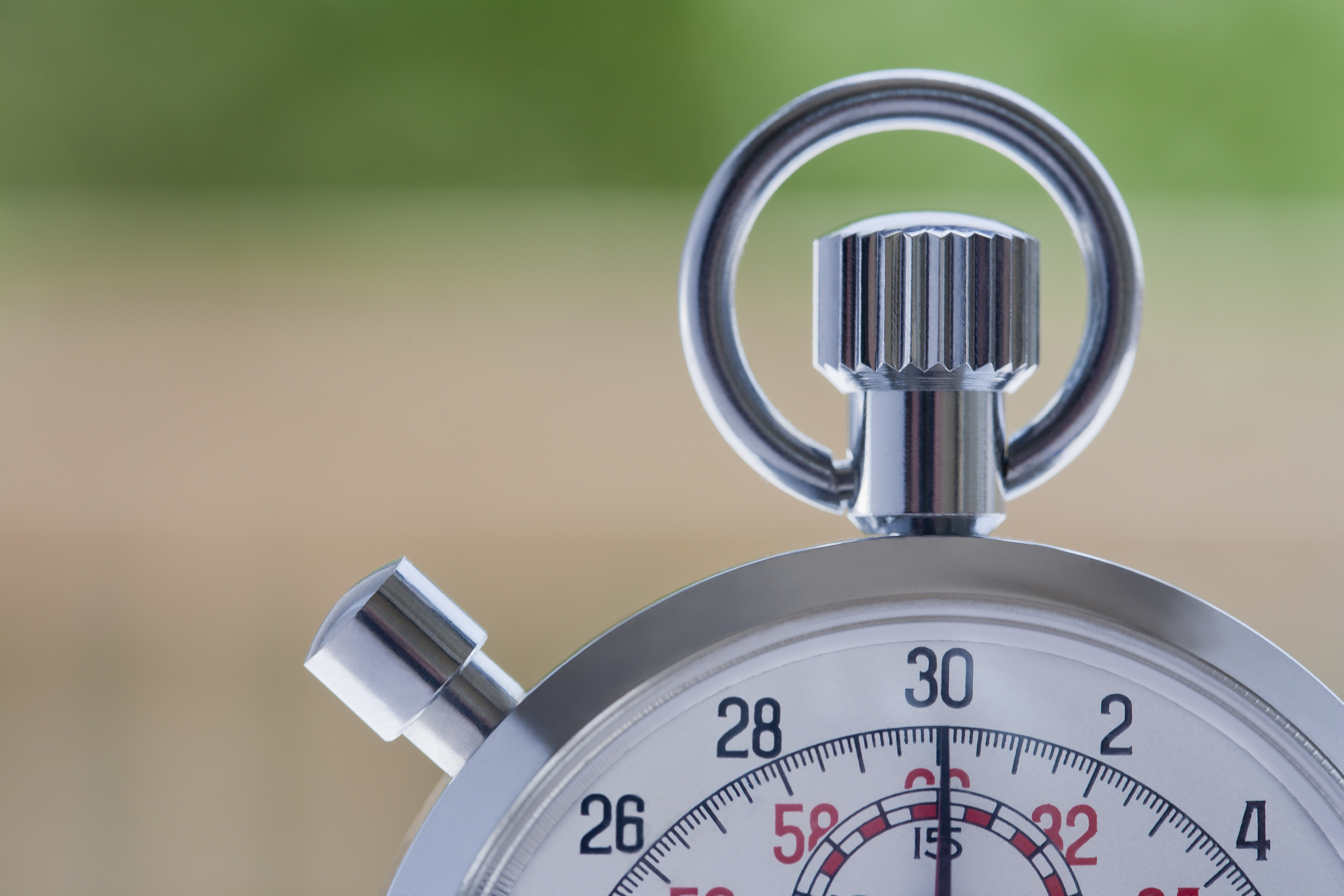
iTBS delivers short high-frequency bursts of pulses in a theta-frequency pattern, allowing a full therapeutic session in about three minutes, compared with roughly 37 minutes for standard high-frequency TMS.
The THREE-D trial
THREE-D was a large randomised non-inferiority trial of 414 patients with treatment-resistant depression, comparing iTBS with standard 10 Hz TMS. iTBS was non-inferior: response was 49 percent versus 47 percent, and remission 32 percent versus 27 percent, with similar tolerability and safety.
Why it matters
Dramatically shorter sessions mean a clinic can treat far more patients per machine each day, and each appointment is shorter for the patient, improving access without sacrificing outcomes. iTBS is now a
standard protocol.
The THREE-D trial established that a three-minute iTBS session works as well as the traditional 37-minute treatment, making effective TMS faster, more accessible and now a standard option.
References
- Blumberger DM, et al. (2018). Effectiveness of theta burst versus high-frequency rTMS (THREE-D): a randomised non-inferiority trial. The Lancet.
This article is for general information and is not medical advice. TMS suitability is decided by a psychiatrist on an individual basis. Speak to our team about your own situation.