
Standard TMS takes about six weeks. The Stanford SAINT protocol, later renamed Stanford Neuromodulation Therapy, compresses treatment into five days using many sessions per day, individualised targeting and high-dose theta-burst stimulation.
A very different schedule
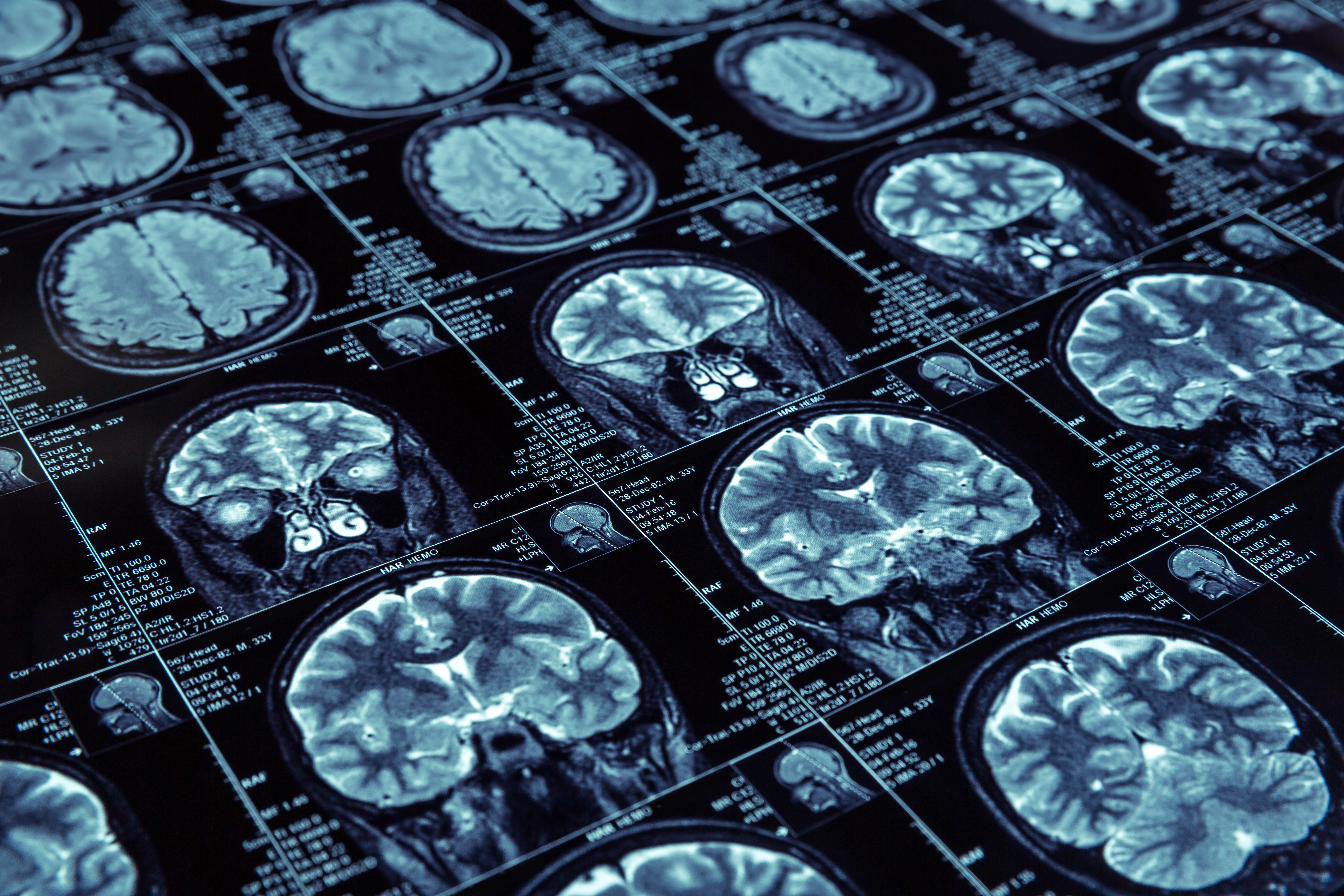
SAINT delivers multiple short stimulation sessions per day over five days, uses MRI-guided individualised targeting of the left prefrontal cortex, and gives a much higher total dose of pulses than conventional TMS.
The early results
In the first open-label study of 21 patients with treatment-resistant depression, about 90 percent achieved remission after the five-day course. Because that study was small and unblinded, a randomised, double-blind, sham-controlled trial followed, in which remission was 79 percent with active treatment versus 13 percent with sham.
Promising, with caveats
On the strength of this work the protocol received FDA clearance in 2022. The samples remain small, and follow-up suggests the benefit may need maintenance or repeat courses to be sustained, but the speed and remission rates are a genuine advance.
SAINT can lift severe, treatment-resistant depression in just five days with high remission rates in early trials. It is a genuinely exciting advance, though sample sizes are small and benefits may need maintenance to last.
References
- Cole EJ, et al. (2020). Stanford Accelerated Intelligent Neuromodulation Therapy for treatment-resistant depression.
American Journal of Psychiatry. - Cole EJ, et al. (2021). Stanford Neuromodulation Therapy (SNT): a double-blind randomized controlled trial. American
Journal of Psychiatry.
This article is for general information and is not medical advice. TMS suitability is decided by a psychiatrist on an individual basis. Speak to our team about your own situation.